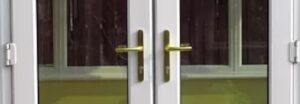
Quick Door Handle Fix: A Comprehensive Guide
Door handles, while often neglected, play an important role in the performance of any door. Whether in the house or in the workplace, a malfunctioning door handle can be a source of inconvenience and frustration. Fortunately, many door handle issues can be rapidly fixed with some easy tools and a little knowledge. This short article intends to provide readers with an informative guide on how to fix common door handle problems quickly and efficiently.
Common Door Handle Issues
Before diving into the services, it's necessary to determine some of the common issues that homeowners might encounter with their door handles. These may consist of:
- Loose Door Handles: A shaky handle can be irritating and may suggest that screws are loose or have come undone.
- Stuck Door Handles: Sometimes, door handles may stick or become unmovable, frequently triggered by dirt accumulation or internal mechanism failure.
- Broken Door Handle: A handle that is totally broken or removed requires instant attention and replacement.
- Misaligned Handles: Handles that become misaligned might not run properly and might make complex the opening or closing of the door.
- Troubles with Lock Mechanism: If the handle works, but the lock doesn't, this could indicate a problem with the locking mechanism.
Tools Required for Door Handle Repair
Before beginning the repair procedure, it's recommended to gather the necessary tools. Here's a list of common tools you may require:
- Screwdriver (Philips or flathead depending on the screws)
- Pliers
- Allen wrench (if suitable)
- Replacement screws or handle
- Lube (e.g., WD-40 or silicone spray)
- Cleaning fabric
Step-by-Step Guide to Fixing Common Door Handle Issues
1. Fixing a Loose Door Handle
Loose handles are frequently a basic fix:
- Inspect the Handle: Check for any visible screws on the handle or the base.
- Tighten the Screws: Use a screwdriver to tighten the screws. If any screws are missing, replace them with new ones.
- Examine the Handle Action: Once the screws are tightened, check the handle action to guarantee it operates smoothly.
2. Handling a Stuck Door Handle
A stuck handle might require a little elbow grease:
- Clean Around the Handle: Start by cleaning up the area around the handle with a cloth. This can help remove dirt or gunk that may trigger it to stick.
- Apply Lubricant: Spray a little quantity of lubricant around the base of the handle and work it in with the handle's movement.
- Inspect for Internal Blockages: If the handle remains stuck, dismantle the handle and examine for internal obstructions.
3. Replacing a Broken Door Handle
If a door handle is beyond repair, replacement is required:
- Disassemble the Old Handle: Use the screwdriver to get rid of screws and separate the handle from the door.
- Purchase a New Handle: Choose a handle that matches the existing door hardware. Measure the size and style to guarantee compatibility.
- Set Up the New Handle: Follow the manufacturer's directions to install the new handle firmly.
4. Realigning Misaligned Handles
Misalignment can often be corrected:
- Assess the Alignment: Check how the handle lines up with the door latch.
- Adjust the Handle Position: Loosen the screws somewhat, rearrange the handle, and then retighten the screws.
- Evaluate the Functionality: Make sure the handle runs smoothly after modification.
5. Troubleshooting Lock Mechanism Issues
If the handle works but the lock does not:
- Examine the Lock: Look for any visible damage to the lock.
- Oil the Lock Mechanism: Spray a percentage of lubricant in the keyhole and work the lock several times to ensure smooth operation.
- Consider Replacement: If lubrication does not help, the lock may need to be changed totally.
Preventive Measures
Taking preventive steps can help decrease the likelihood of door handle problems in the future:
- Regular Maintenance: Periodically check and tighten up screws to prevent loosening.
- Keep Clean: Regularly tidy door handles and surrounding locations to avoid dirt accumulation.
- Use Lubrication as Needed: Apply lubricant to handles and locks every couple of months.
Often Asked Questions (FAQs)
Q1: Can I fix a door handle without professional help?Yes, numerous
common issues can be fixed with basic tools and a little know-how. Simply make sure to collect the required tools and follow the steps described above.
Q2: How do I understand if my door handle is broken beyond repair?If the handle is considerably harmed, detached, or cracks when used, it might require to be replaced. Q3: What kind of lube is best for door handles?WD -40
or silicone-based lubricants work well for door handles and locks. Prevent using oily lubes that can bring in dirt. Q4: How frequently ought to I maintain my door handles?Regular checks every couple of months should suffice
. If you see issues such as loosening up or sticking
, resolve them promptly. Fixing door handle repairman can be an uncomplicated job that conserves money and time. From handling loose handles to getting rid of
stuck mechanisms, most common problems can be handled with a few simple tools and methods. By following the outlined actions, house owners can guarantee their door handles stay in top condition, boosting both the performance and visual appeals of their doors.